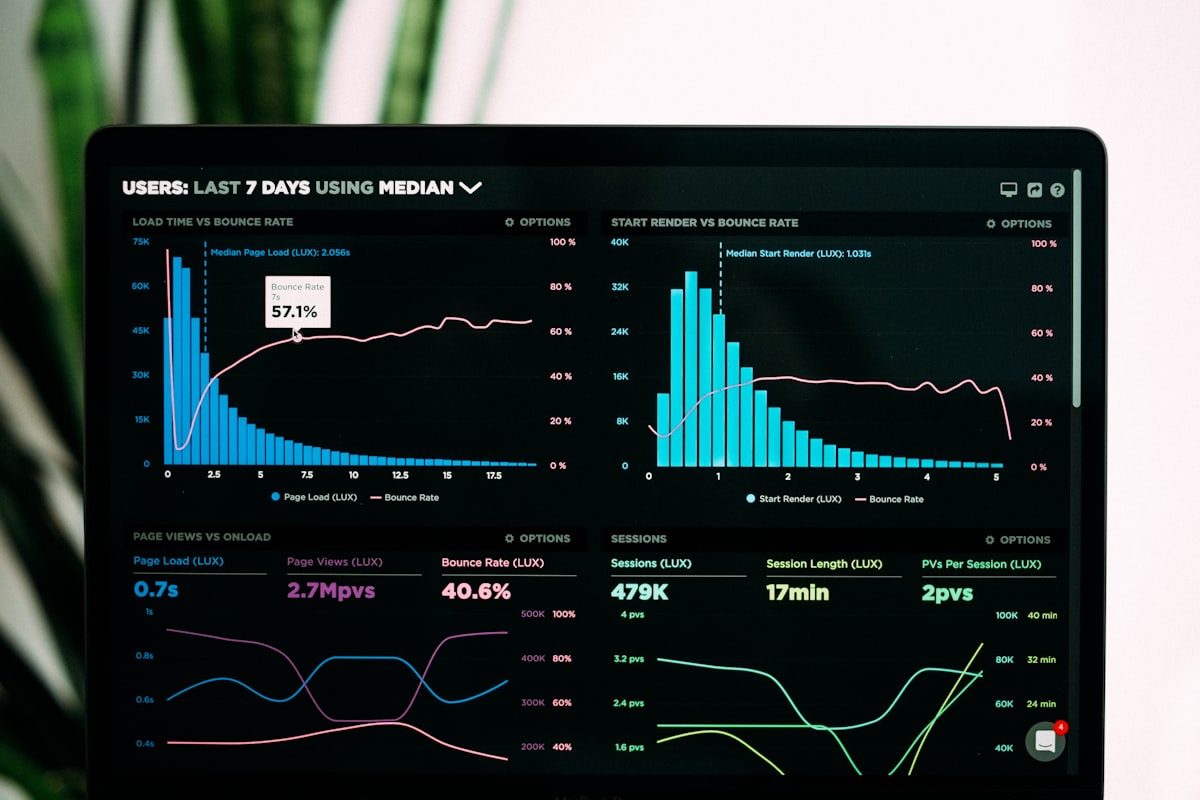
In a data-rich business environment, the ability to anticipate outcomes and trends has shifted from a competitive edge to a practical necessity. Predictive analytics services combine statistical models, machine learning algorithms, and artificial intelligence to turn historical data into forward-looking insight. This guide explains how organizations can implement predictive analytics to improve decision quality, optimize operations, and build durable advantages across multiple domains.
Understanding Predictive Analytics: Beyond Historical Reporting
Predictive analytics marks a shift in how organizations use data—moving from retrospective analysis to forward-looking intelligence. Where traditional business intelligence answers "what happened," predictive analytics addresses "what is likely to happen" and, increasingly, "what should we do about it."
The maturity of analytics capabilities tends to follow a clear progression:
Descriptive Analytics
- Historical performance reporting
- Trend identification and visualization
- Basic key performance indicators
- Standard business reporting
Diagnostic Analytics
- Root cause analysis
- Correlation identification
- Variance analysis
- Performance attribution
Predictive Analytics
- Future state forecasting
- Probability-based scenario modeling
- Risk and opportunity prediction
- Pattern-based forecasting
Prescriptive Analytics
- Action recommendation
- Decision optimization
- Automated response triggers
- Continuous learning and adaptation
Industry analysts and practitioner experience consistently point in the same direction: organizations that move beyond descriptive and diagnostic reporting into predictive work tend to make better-informed decisions and uncover meaningful efficiency gains. The size of the benefit varies widely by use case, data quality, and how well predictions are wired into day-to-day decisions—so it is worth measuring against your own baseline rather than assuming a fixed figure.
Core Predictive Analytics Technologies and Approaches
Statistical Modeling Techniques
Traditional statistical approaches form the foundation of many predictive capabilities:
Regression Analysis
- Linear and non-linear regression for relationship identification
- Time series forecasting for trend prediction
- Multivariate analysis for complex factor relationships
- Bayesian statistics for probability-based prediction
Classification Models
- Logistic regression for binary outcome prediction
- Discriminant analysis for category assignment
- Decision trees for rule-based classification
- Ensemble methods for improved accuracy
Machine Learning Approaches
Machine learning integration has substantially expanded what predictive models can do:
Supervised Learning
- Random forests for complex classification
- Support vector machines for pattern recognition
- Neural networks for complex relationship modeling
- Gradient boosting machines for enhanced prediction
Unsupervised Learning
- Clustering algorithms for segment discovery
- Association rule mining for relationship identification
- Anomaly detection for outlier identification
- Dimensional reduction for pattern identification
Reinforcement Learning
- Agent-based modeling for complex environments
- Dynamic optimization of decision sequences
- Adaptive policy development
- Continuous improvement through feedback
Deep Learning Applications
Advanced neural network architectures enable additional predictive capabilities:
Recurrent Neural Networks (RNN)
- Time series forecasting with temporal dependencies
- Sequential pattern prediction
- Natural language understanding for unstructured data
- Anomaly detection in time-series data
Convolutional Neural Networks (CNN)
- Image and visual data prediction
- Pattern recognition in complex data
- Feature extraction from unstructured data
- Multi-dimensional data analysis
Natural Language Processing
NLP enables prediction based on text and conversational data:
- Sentiment analysis to inform customer behavior models
- Intent prediction from communication analysis
- Document classification and routing
- Automated insight extraction from unstructured content
Business Applications of Predictive Analytics
Customer Analytics Applications
Predictive customer intelligence supports both revenue and relationships:
Customer Acquisition Optimization
- Prospect conversion likelihood prediction
- Channel response optimization
- Acquisition cost reduction modeling
- Target audience refinement
Customer Retention and Churn Prediction
- Early warning systems for at-risk customers
- Intervention effectiveness modeling
- Loyalty program optimization
- Retention driver identification
Customer Lifetime Value Prediction
- Long-term value forecasting
- High-potential customer identification
- Relationship development optimization
- Cross-sell and upsell opportunity prediction
For example, a subscription business that can flag which customers are likely to leave—and surface the probable reasons—can shift its retention efforts from reactive to proactive, intervening with the right offer before an account lapses rather than after the cancellation.
Operational Analytics Applications
A predictive maintenance workflow and broader operational forecasting can deliver real efficiency gains:
Supply Chain Optimization
- Demand forecasting and inventory optimization
- Supplier risk and performance prediction
- Logistics disruption anticipation
- Pricing optimization models
Resource Allocation and Planning
- Workforce demand prediction
- Capacity requirement forecasting
- Resource utilization optimization
- Service level management
Quality and Risk Management
- Defect prediction and prevention
- Process deviation anticipation
- Compliance risk forecasting
- Safety incident prediction
Financial Analytics Applications
Predictive financial intelligence strengthens planning and performance:
Financial Forecasting
- Revenue and profitability projection
- Cash flow forecasting
- Budget variance prediction
- Investment return modeling
Risk Management
- Credit risk assessment and scoring
- Fraud detection and prevention
- Market risk modeling
- Operational risk prediction
Capital Planning
- Investment prioritization modeling
- Capital expenditure optimization
- ROI prediction and tracking
- Funding requirement forecasting
Marketing Analytics Applications
Data-driven marketing leans heavily on predictive capabilities:
Campaign Optimization
- Response modeling and prediction
- Channel and timing optimization
- Creative performance forecasting
- Audience segmentation enhancement
Product and Pricing Analytics
- Price elasticity modeling
- Product recommendation systems
- New product performance prediction
- Bundle and promotion optimization
Marketing Mix Modeling
- Attribution and impact prediction
- Budget allocation optimization
- Cross-channel effect modeling
- Incremental ROI forecasting
Implementing Predictive Analytics: A Strategic Framework
Phase 1: Opportunity Assessment and Strategy Development
Successful implementation begins with strategic alignment:
| Assessment Area | Key Questions |
|---|---|
| Business Value Potential | Which decisions would benefit most from predictive capabilities? |
| Data Readiness | What data is available and what's missing for key use cases? |
| Organizational Readiness | What skills, culture, and governance are needed for success? |
| Technology Requirements | What platforms and tools are needed to support the strategy? |
| Quick Win Identification | Where can we demonstrate value rapidly to build momentum? |
Strategy Development Considerations
- Business problem prioritization framework
- Data acquisition and preparation roadmap
- Technology and architecture planning
- Skill development and sourcing strategy
- Implementation phases and timeline
Phase 2: Data Foundation Development
Predictive analytics depends on solid data foundations:
Data Requirements Assessment
- Historical data depth and quality analysis
- Variable and feature identification
- Data integration requirements
- Governance and compliance considerations
Data Collection and Integration
- Source system integration planning
- Data lake/warehouse integration
- Real-time data stream incorporation
- External data source evaluation
Data Preparation and Engineering
- Data cleaning and standardization
- Feature engineering approaches
- Variable transformation strategies
- Training/testing data separation methodology
Phase 3: Model Development and Validation
Building reliable predictive models calls for disciplined methodology:
Model Selection Criteria
- Problem type alignment (classification, regression, clustering)
- Interpretability requirements
- Performance expectations
- Deployment environment constraints
Development Methodology
- Algorithm selection and testing
- Hyperparameter optimization
- Cross-validation approaches
- Ensemble modeling considerations
Performance Evaluation
- Accuracy and precision metrics
- Sensitivity and specificity analysis
- ROC curve and AUC analysis
- Business impact estimation
Phase 4: Operationalization and Integration
Turning models into business value requires operational integration:
Deployment Architecture
- Cloud vs. on-premises considerations
- Batch vs. real-time prediction needs
- Integration with existing systems
- Scalability and performance requirements
Business Process Integration
- Workflow integration points
- Decision support presentation
- Action triggering mechanisms
- Exception handling processes
Monitoring and Maintenance
- Model performance tracking
- Drift detection mechanisms
- Retraining and updating procedures
- Version control and model management
Phase 5: Organizational Adoption and Scale
Expanding predictive capabilities requires organizational focus:
Change Management
- Stakeholder education and buy-in
- Success story communication
- Resistance identification and addressing
- Training and capability building
Governance Framework
- Model management policies
- Ethics and bias monitoring
- Compliance and documentation standards
- Resource allocation processes
Center of Excellence Development
- Skill development programs
- Best practice standardization
- Cross-functional collaboration models
- Innovation and research priorities
Industry-Specific Predictive Analytics Applications
Retail and Consumer Goods
Retailers apply predictive analytics for:
- Demand forecasting at product and store levels
- Customer segmentation and personalization
- Inventory optimization and allocation
- Price and promotion optimization
- Store location and format planning
Consider a regional retailer that adopts AI-powered business tools for demand forecasting. With sharper predictions of what will sell where and when, it can carry less excess stock while keeping shelves filled more often—reducing carrying costs and lost sales at the same time. The exact gains depend on the chain's product mix and current forecasting maturity, but the direction of the improvement is consistent.
Manufacturing
Manufacturing organizations focus on:
- Equipment failure prediction and maintenance optimization
- Quality issue anticipation and prevention
- Production scheduling and throughput optimization
- Supply chain disruption prediction
- Energy consumption forecasting
Financial Services
Banks and financial institutions use prediction for:
- Credit risk modeling and scoring
- Fraud detection and prevention
- Customer lifetime value projection
- Portfolio optimization and recommendations
- Market movement prediction
Healthcare
Healthcare providers implement:
- Patient readmission risk prediction
- Disease progression modeling
- Resource utilization forecasting
- Treatment outcome prediction
- Population health risk stratification
Advanced Implementation Considerations
Ethical AI and Responsible Prediction
As predictive analytics grows more capable, ethical considerations become critical:
Bias Detection and Mitigation
- Training data bias identification
- Model fairness evaluation metrics
- Algorithm selection for fairness
- Regular bias auditing procedures
Transparency and Explainability
- Model interpretability techniques
- Explanation generation for predictions
- Confidence level indication
- Assumption and limitation documentation
Privacy Protection
- Data minimization principles
- Anonymization and pseudonymization techniques
- Consent management frameworks
- Regulatory compliance mechanisms
Emerging Technologies Enhancing Predictive Capabilities
Several technological advances are expanding what predictive analytics services can deliver:
Automated Machine Learning (AutoML)
- Automated feature selection and engineering
- Model selection and hyperparameter optimization
- Ensemble generation and optimization
- Model documentation and explanation
Transfer Learning
- Pre-trained model adaptation
- Domain knowledge transfer
- Reduced training data requirements
- Accelerated model development
Federated Learning
- Distributed model training across data sources
- Privacy-preserving prediction development
- Cross-organization collaboration
- Enhanced model robustness through diversity
Cloud-Based Predictive Services
Cloud platforms have widened access to sophisticated predictive capabilities:
AI and ML Services
- Pre-built industry models and solutions
- API-based prediction capabilities
- Scalable computing resources
- Pay-as-you-go pricing models
Data Science Workbenches
- Collaborative development environments
- Version control and reproducibility
- Automated pipeline management
- Enterprise governance integration
Overcoming Predictive Analytics Challenges
Challenge 1: Data Quality and Availability
Predictive models are only as good as the data that trains them.
Solution: Implement data quality programs focused on your predictive use cases. Score data readiness so you know which problems are ready for prediction and which are not. Where data is sparse, consider synthetic data approaches and transfer learning to make the most of what you have.
Challenge 2: Talent and Skill Gaps
Many organizations struggle to find and retain skilled data scientists and ML engineers.
Solution: Build a multi-pronged talent strategy that combines targeted hiring, training programs, and partnerships with business analytics services providers. Use AutoML and low-code predictive tools to put basic capabilities in more hands, while reserving specialized talent for the hardest problems.
Challenge 3: Integration with Decision Processes
Many organizations never fully fold predictions into daily operations.
Solution: Design prediction delivery that fits existing workflows and decision processes. Focus on data-driven decision support that augments rather than replaces human judgment, and create clear action frameworks that translate predictions into recommended next steps.
Challenge 4: Model Drift and Maintenance
Predictive models degrade over time as conditions change.
Solution: Put automated monitoring in place to detect performance drift. Set regular retraining schedules and assign clear ownership for model maintenance. Design models with adaptability in mind, incorporating feedback loops and continuous learning where it makes sense.
Measuring Predictive Analytics Success
A useful measurement framework usually spans four areas:
Technical Performance Metrics
- Predictive accuracy metrics (RMSE, MAE, etc.)
- Classification metrics (precision, recall, F1)
- Comparative performance vs. baseline methods
- Computing resource efficiency
Business Impact Metrics
- Decision quality improvement
- Operational efficiency gains
- Cost reduction results
- Revenue and margin enhancement
- Risk reduction outcomes
Adoption and Usage Metrics
- User trust in predictions
- Frequency of prediction usage
- Override rate and reasons
- Training and support requirements
Return on Investment
- Implementation and maintenance costs
- Quantified business benefits
- Payback period calculation
- Ongoing value creation measurement
The Future of Predictive Analytics
Several emerging trends are shaping how predictive capabilities evolve:
Augmented Analytics
The integration of AI-driven decision making into mainstream business tools:
- Embedded predictions in operational systems
- Natural language interfaces for prediction access
- Automated insight generation and delivery
- Continuous learning from user interactions
Edge Intelligence
Predictive capabilities moving closer to data sources:
- On-device prediction for real-time needs
- Distributed model training and execution
- Reduced latency for time-sensitive predictions
- Enhanced privacy through localized processing
Composite AI
The combination of multiple AI approaches for stronger prediction:
- Symbolic AI and machine learning integration
- Knowledge graph enrichment of predictions
- Causal inference alongside statistical prediction
- Multi-modal data fusion techniques
Prediction as a Service
Specialized providers offering targeted prediction capabilities:
- Domain-specific prediction APIs
- Industry-specialized models
- Consumption-based pricing models
- Continuous improvement through aggregated learning
Conclusion: Building Predictive Analytics as a Strategic Capability
As markets grow more competitive and environments more complex, predictive analytics services have moved from technical experiments to essential business capabilities. Organizations that get prediction right tend to gain real advantages through better decisions, leaner operations, and earlier visibility into what's coming.
To build predictive analytics as a core capability:
- Develop a clear strategy that aligns predictive initiatives with business priorities
- Create robust data foundations with quality, integration, and governance
- Build or acquire the right mix of technical skills and domain expertise
- Implement prediction delivery mechanisms that enhance decision processes
- Establish governance frameworks that support reliable, ethical predictions
- Foster a culture that values and trusts data-driven foresight
Treating predictive analytics as a strategic discipline—rather than a one-off technical project—positions an organization to adapt as conditions shift.
For expert guidance on implementing predictive analytics services tailored to your specific business challenges, schedule a conversation about your workflow to talk through your goals with the Intuitional team.
Explore this topic further
Jump into the journal with one of the themes from this article.
Need clearer reporting and better operational signal?
We design dashboards, reporting layers, and decision-support systems that turn scattered data into usable visibility for the team running the work.

